

It’s 2 a.m. and I’m doing the thing again — phone six inches from my face, thumb flicking upward through years. A sunset in a parking lot. A sunset from an airplane. A sunset I don’t even remember taking, which raises a question I’d rather not answer about how many sunsets one person needs. My camera roll says 23,000. I’ve looked at maybe two hundred of them twice.
Be honest about your number. Ten thousand? Twenty? And how many have you actually returned to — not scrolled past, but opened, looked at, felt something?
We all do it. The forty-seven near-identical shots of the same dinner, because on the forty-sixth someone blinked and on the forty-seventh the steam looked right. The screenshot of a conversation from three years ago with someone you don’t talk to anymore — you keep it the way you’d keep a pressed flower, except flowers don’t take up iCloud storage. The blurry concert video where all you can hear is your own voice singing off-key. We document like we’re preparing evidence for a trial. Exhibit A: I was happy once. Exhibit B: this happened, I swear, here’s the timestamp.
I got the “iCloud Storage Full” notification last month and felt a genuine, embarrassing pang of panic. Not about the storage. About the implied demand: choose. Delete something. Decide what mattered. I sat on my couch and started going through them, and within ten minutes I was keeping everything — the parking lot sunset included — because what if. What if I delete the wrong one. What if the one I need later is the one I throw away now. I bought more storage instead. Two dollars a month to avoid deciding what my life meant.
I think it’s fear. Not the fear of missing the moment — the fear of the moment missing us. Of waking up one day, sixty or seventy or just next year, and not being able to prove to ourselves that it was real. That we were there. That it counted. The photo is a hedge against forgetting, a little anchor dropped into time that says: this existed. You existed in it. It wasn’t a dream.
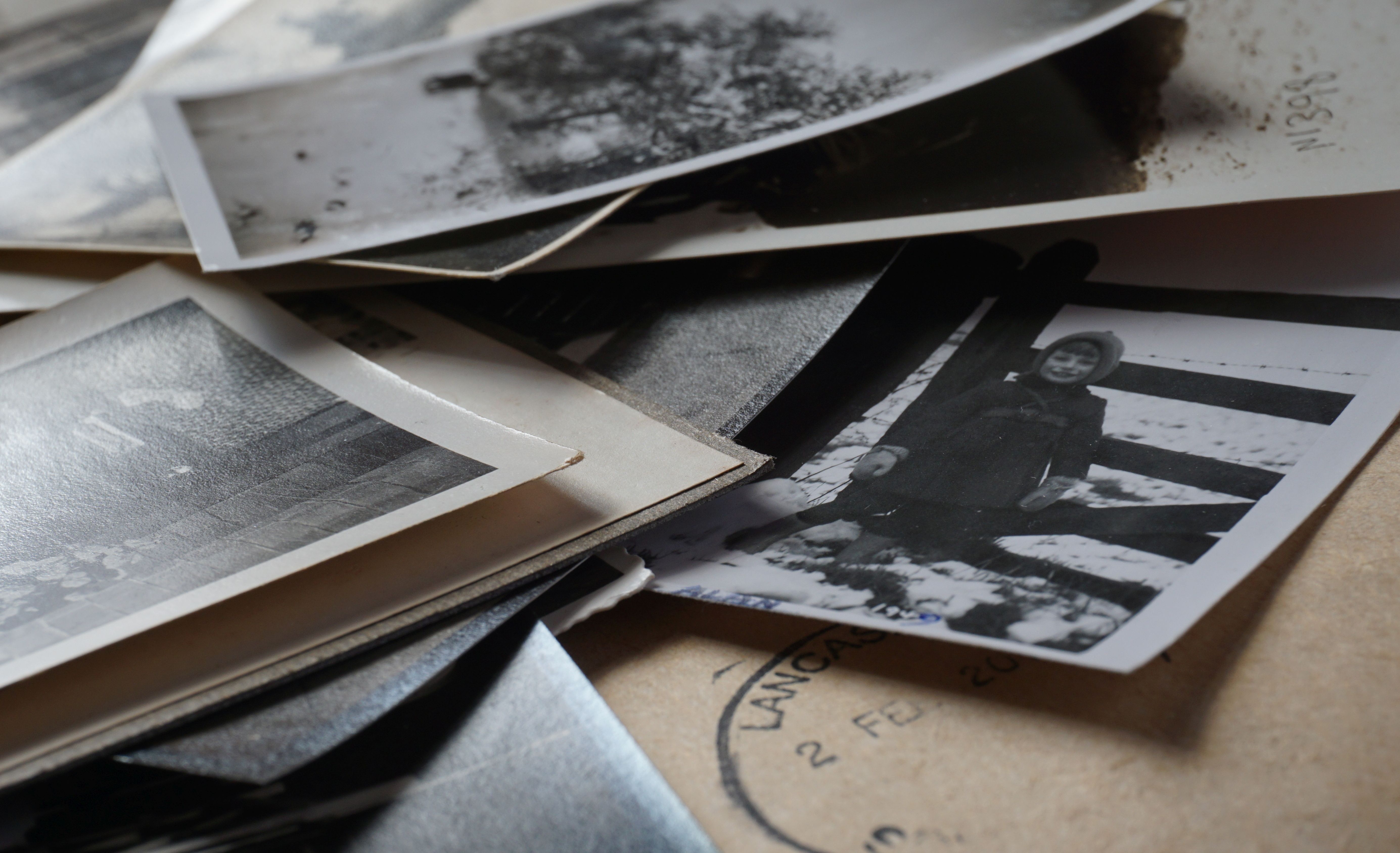
My parents have a shoebox. One shoebox, maybe two hundred prints total, going back forty years. Every photo in that box has been looked at a hundred times. The edges are soft from handling. There’s a picture of my mother at twenty-four, laughing at something outside the frame, and I know that photo the way you know a song — I could describe it with my eyes closed. Two hundred photos, each one worn thin with attention.
I have twenty-three thousand, and I couldn’t describe fifty of them.
Here’s the strange part, the part that undoes the whole logic: the photos we actually return to are never the posed ones. It’s never the forty-seven dinners. It’s the blurry one where you’re mid-laugh and out of focus. The accidental screenshot someone sent you of yourself, caught off guard, looking happier than you remember being. The photo someone else took when you weren’t performing — when you didn’t know the camera was there, which is the only time any of us look like ourselves. The archive that matters is always the unplanned one. We spend all this energy curating, and the keepers are the accidents.
A friend of mine lost her phone last year — dropped it in a lake, everything gone, no backup, eight years of photos dissolved. I expected her to be devastated. She was, for about a week. And then she said something I haven’t stopped thinking about: “I realized I was keeping them for a future me who never came. I kept thinking, one day I’ll sit down and go through all of these. That day was never going to come. I was archiving for a person who doesn’t exist.”
That landed hard, because she’s right about the fantasy. The fantasy is: someday, on some quiet afternoon, you’ll sit with tea and scroll back through the years and relive it all. The reality is: you take the photo, you feel the small satisfaction of having captured it, and you never open it again. The capture is the experience. The looking-back is a story we tell ourselves to justify the capture.
So maybe the real question isn’t why we keep photos we’ll never look at. It’s what we’re afraid will happen if we stop. And the answer, I think, is that we’re afraid of how much we’d forget. How quickly the details go. Already I can’t remember what my college dorm room smelled like, or the exact sound of my grandmother’s laugh — not the idea of it, the actual sound. The mind keeps almost nothing unless we pin it down, and even the pins rust. A photo is a pin. A blurry, inadequate, two-dimensional pin. But it’s something.
There’s a specific grief in realizing that no amount of documentation will save the texture of a life. You can photograph every dinner and still forget what it felt like to be twenty-six and broke and happy in a way you didn’t know was happy at the time. The camera was there. You weren’t, quite — you were behind it, framing, adjusting, missing the steam rising off the food while you got the angle right.
So keep taking them. I’m not going to tell you to delete your camera roll or live in the moment or any of that poster wisdom, because I took three photos of my lunch yesterday and I don’t even like lunch that much. Just don’t confuse the archive with the life. The life is the thing happening while you’re framing the shot — the steam, the laughing, the off-key singing that the microphone barely caught.
Lately I’ve been trying something small. When the food comes, I take one photo — one, not forty-seven — and then I put the phone face-down for the first bite. It’s harder than it sounds. My thumb twitches. But the first bite tastes better when I’m actually there for it. The photo will be blurry and badly lit and I’ll probably never look at it again. That’s fine. I was there. That’s the part the camera was always going to miss anyway.
Leave a Reply