
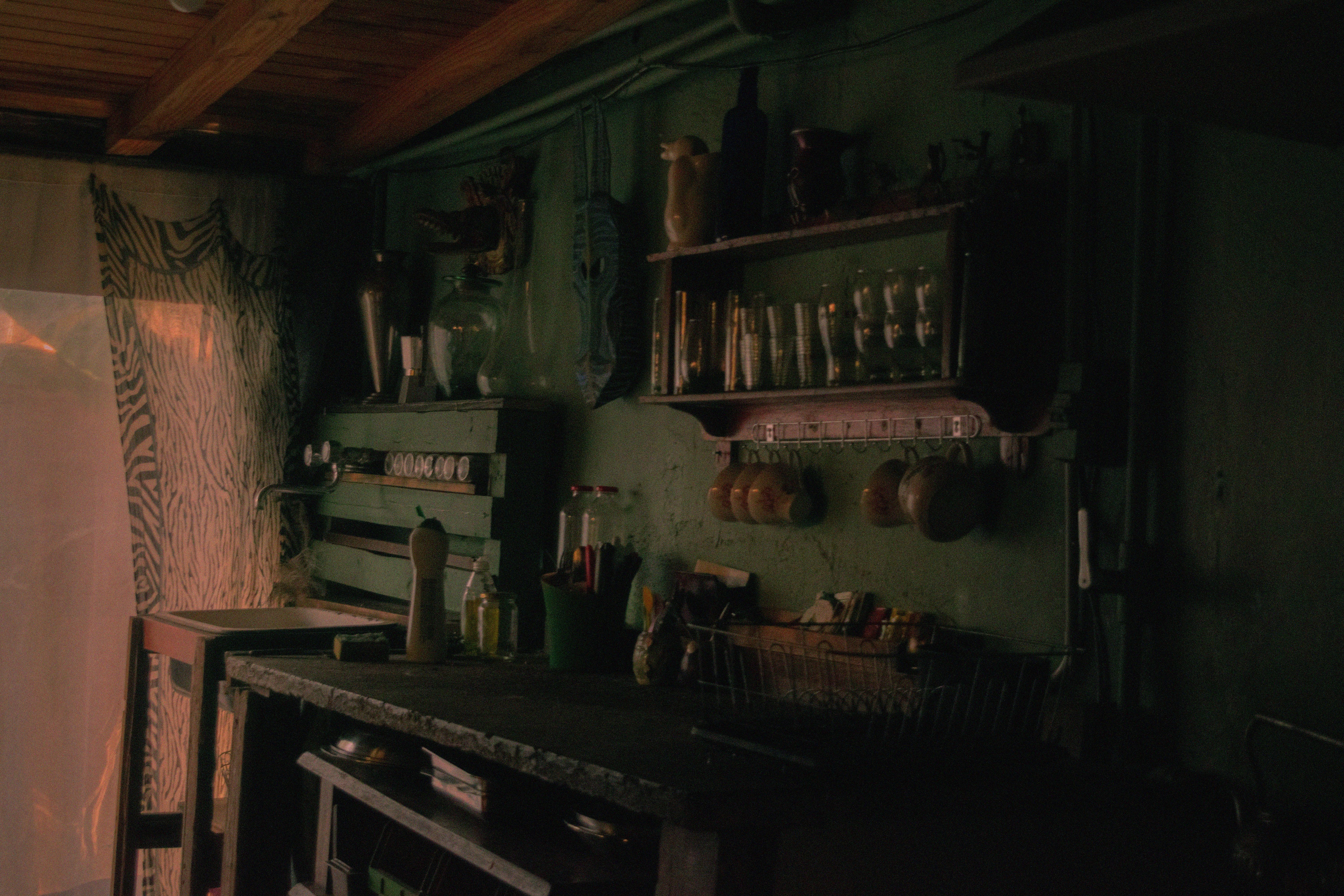

It was the cumin. I was making dinner, nothing special, just a Tuesday, and I opened the jar and the smell hit me and I was suddenly seven years old, standing on a stool next to her, watching her hands move like she had done it ten thousand times. She had. My grandmother seasoned everything with cumin, too much of it, and the whole kitchen would smell like her cooking for hours. She has been gone for years. The kitchen smelled like her for exactly four seconds. Then it was just my kitchen again.
Grief lives in the senses. Not in the big memories, not in the photographs on the wall, but in the small ambushes. The song that comes on in the grocery store and your hand freezes on the cart handle. The aftershave in a crowded elevator that turns you around like a magnet. The particular squeak of a screen door. Your brain has filed ten thousand tiny recordings of a person, and most of them are not labeled, so they play at random, without warning, in the middle of ordinary Tuesdays.
I think this is why grief feels so physical. We talk about it like it is an emotion, something that happens in the heart, but it is really something that happens in the body. Your nose remembers. Your hands remember. I still reach for the phone to call my grandfather when something good happens, and my thumb hovers over a number that has not worked in years. The body does not get the memo. The body keeps dialing.
There is a specific cruelty to the sensory kind of grief, which is that it is also a gift, and you cannot have one without the other. The cumin ambushed me and it hurt, but it also gave me four seconds with her. Four seconds of standing on that stool. Four seconds of her hands. I would not trade those four seconds for anything, even though they left me standing in my kitchen crying into a jar of spices like a crazy person. That is the deal grief offers: I will hurt you, but I will also, occasionally, hand you back someone you lost, for four seconds, in the spice aisle of your own life.
The sounds are the worst for me. Worse than the smells. There was a screen door at the house I grew up in with a particular squeak, a little two-note complaint every time it opened. For years after we sold that house, I would hear that exact squeak somewhere, a restaurant patio, a friend’s porch, and my whole body would turn toward it before my mind caught up. It was never our door. It was always just a door. But for half a second, I was home, and home had everyone in it, and then the half second ended and I was just a person standing on someone else’s porch feeling strange about a sound.
And the voicemail. I know so many people who have one. The saved message they cannot delete, the voice saying something utterly mundane: call me back, or I am at the store, do you need anything. Nobody saves the profound messages, because there are no profound messages. The profound thing is the ordinariness. The proof that this person once moved through the world doing ordinary things, and now the only place they still do them is a two-megabyte audio file you are terrified to lose. I have heard people say they have not listened to theirs in years but they check that it is still there, the way you check that a door is locked. Not to use it. Just to know it exists.
People will tell you to get rid of the triggers. Throw out the sweater. Change the radio station. Delete the voicemail. And maybe some of that is wise, in time. But I have stopped believing that healing means building a life with no ambushes in it. The ambushes are proof that the love was real enough to leave fingerprints on your nervous system. You do not want to sand those off. You just want to learn to stand still when they happen, and let the four seconds be four seconds, and then go back to dinner.
So keep the cumin. Keep the song on the playlist. Let the elevator aftershave turn you around. It will knock the wind out of you sometimes. It will also, on the best days, feel less like being haunted and more like being visited. Four seconds at a time, they come back. Not the whole person. Just the smell of the kitchen. Just the sound of the hands. It is not enough. It is also, somehow, everything.
Leave a Reply